


How Kristen Clarke Benefited Black Americans in the Civil Rights Division of the DOJ under President Joe Biden

By Brenton A McClanahan
BMB Empower Network
May 25, 2026
From 2021 to 2025, she led the Civil Rights Division at the U.S. Department of Justice (DOJ), making history as the first woman and the first Black woman to be confirmed by the Senate to hold that position.
Here are some of her significant achievements, along with reasons why her supporters believe her work has positively impacted Black Americans and other marginalized groups.
Major accomplishments at the DOJ under President Biden
Voting rights enforcement

Clarke made voting rights a central focus of the DOJ Civil Rights Division. Under her leadership, the DOJ challenged restrictive voting laws in states like Georgia and Texas, arguing that certain measures disproportionately burdened Black voters and violated the Voting Rights Act.
For many Black Americans, these lawsuits were significant because Black communities have historically faced barriers to voting, including polling-place closures, ID restrictions, and limits on absentee voting.
Hate crimes prosecutions
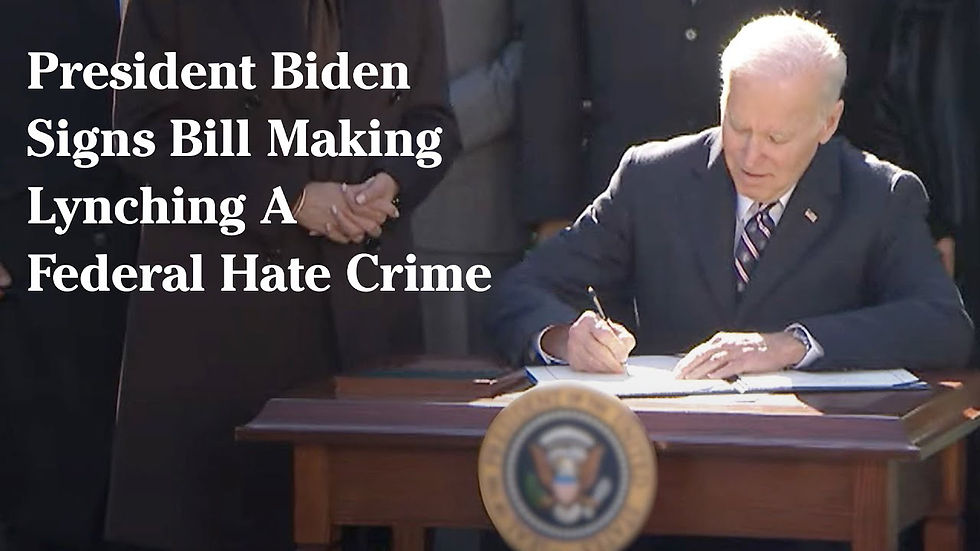
During her tenure, the Civil Rights Division set new records for prosecuting hate crimes. Some notable cases included:
the federal prosecution connected to the murder of Ahmaud Arbery,
the Buffalo supermarket mass shooting targeting Black residents,
and other racially motivated violence cases.
Supporters contend that this action effectively conveyed a stronger commitment from the federal government to safeguard Black Americans from racial violence and intimidation.
Police accountability investigations

Clarke oversaw major federal investigations into police departments, including probes involving:
Minneapolis after the murder of George Floyd,
Louisville after the killing of Breonna Taylor,
and other departments accused of unconstitutional policing practices.
These investigations delved into excessive force, racial discrimination, unlawful arrests, and the treatment of protesters. Many Black Americans and civil rights groups saw these actions as efforts to enhance policing standards and ensure accountability.
Fair housing and anti-redlining cases
Clarke prioritized voting rights as a central concern for the DOJ Civil Rights Division. Under her leadership, the DOJ challenged restrictive voting laws in states like Georgia and Texas, arguing that certain measures disproportionately disadvantaged Black voters and violated the Voting Rights Act.
For many Black Americans, these lawsuits were significant because Black communities have historically encountered obstacles to voting, such as polling-place closures, ID restrictions, and limitations on absentee voting.
Education and disability rights
Her division also expanded enforcement involving:
school discrimination,
equal educational access,
disability rights,
and prison-condition investigations.
These efforts disproportionately affected Black communities because Black students and incarcerated individuals are often subjected to unequal treatment within these systems.
Her earlier work with the NAACP Legal Defense Fund (LDF)

Before joining the Biden DOJ, Clarke worked at the NAACP Legal Defense and Educational Fund, commonly called the NAACP Legal Defense Fund or LDF.
At LDF, she focused heavily on:
voting rights,
election law,
and defending the constitutionality of the Voting Rights Act.
She worked on legal efforts related to the landmark Supreme Court case Shelby County v. Holder. This case weakened certain parts of the Voting Rights Act by eliminating sections of the federal “preclearance” system for states with histories of racial discrimination in voting.
Civil rights advocates believe that her work at the Legal Defense and Educational Fund (LDF) contributed to this outcome.
protect Black voter participation,
challenge discriminatory election practices,
and preserve federal civil-rights protections in Southern states.
What she is doing now with the NAACP
In 2026, Clarke became General Counsel of the NAACP.
In that role, she is helping lead the organization’s legal strategy on issues including:
voting rights,
racial discrimination,
redistricting,
education equity,
and civil-rights litigation.
Recent reports say the NAACP hired her specifically to strengthen its legal efforts against what the organization sees as growing threats to voting rights and civil-rights protections in several states.
How supporters say her work benefited Black Americans
Supporters and civil-rights organizations credit Clarke with:
expanding federal enforcement of civil-rights laws,
increasing accountability in hate-crime and police-misconduct cases,
protecting Black voting access,
combating housing discrimination,
and strengthening federal attention to racial inequities.
Critics, particularly some conservatives, contended that certain aspects of the Civil Rights Division under her leadership were excessively aggressive or politically aligned with progressive civil rights organizations. However, Clarke is widely regarded by civil rights advocates as one of the most influential civil rights attorneys within the Department of Justice.
Why did President Biden choose Kristen Clarke

President Joe Biden appointed Kristen Clarke as the head of the DOJ Civil Rights Division due to her extensive experience as a civil rights lawyer, voting rights advocate, and government prosecutor. She has worked at nearly every level of civil rights enforcement. Biden praised her as one of the most distinguished civil rights attorneys in the United States.
Several factors made her a strong fit for the role:
*She previously worked inside the DOJ Civil Rights Division as a trial attorney handling voting rights, hate crimes, and human trafficking cases.
She helped lead voting-rights litigation at the NAACP Legal Defense and Educational Fund, including defending the Voting Rights Act in the Shelby County v. Holder case.
She later led the Civil Rights Bureau in the New York Attorney General’s Office, where she managed investigations involving discrimination, policing, and civil-rights violations.
Before joining the Biden administration, she was president of the Lawyers’ Committee for Civil Rights Under Law, one of the country’s leading civil-rights organizations.
Biden’s administration aimed to revive and expand civil-rights enforcement measures following the Trump administration’s tenure. Clarke’s expertise in voting rights, police accountability, hate-crimes prosecution, and anti-discrimination law closely aligned with these priorities.
Her appointment was historically significant because she became:
the first woman confirmed to lead the DOJ Civil Rights Division,
and the first Black woman to hold the position.
Supporters believed Biden selected her because she combined:
courtroom experience,
federal enforcement knowledge,
civil-rights movement credibility,
and leadership in organizations focused on protecting voting access and combating racial discrimination.
Closing Arguments

For many Black Americans, Clarke’s appointment was symbolically significant. As the first Black woman confirmed to lead the Civil Rights Division, her leadership represented increased representation within one of the federal government’s most influential civil rights offices. Supporters viewed that representation as meaningful because of the division’s historic role in enforcing landmark civil rights protections dating back to the 1960s.


Comments